Industrial pumps for wine: efficient processing without compromising quality
July 28, 2025
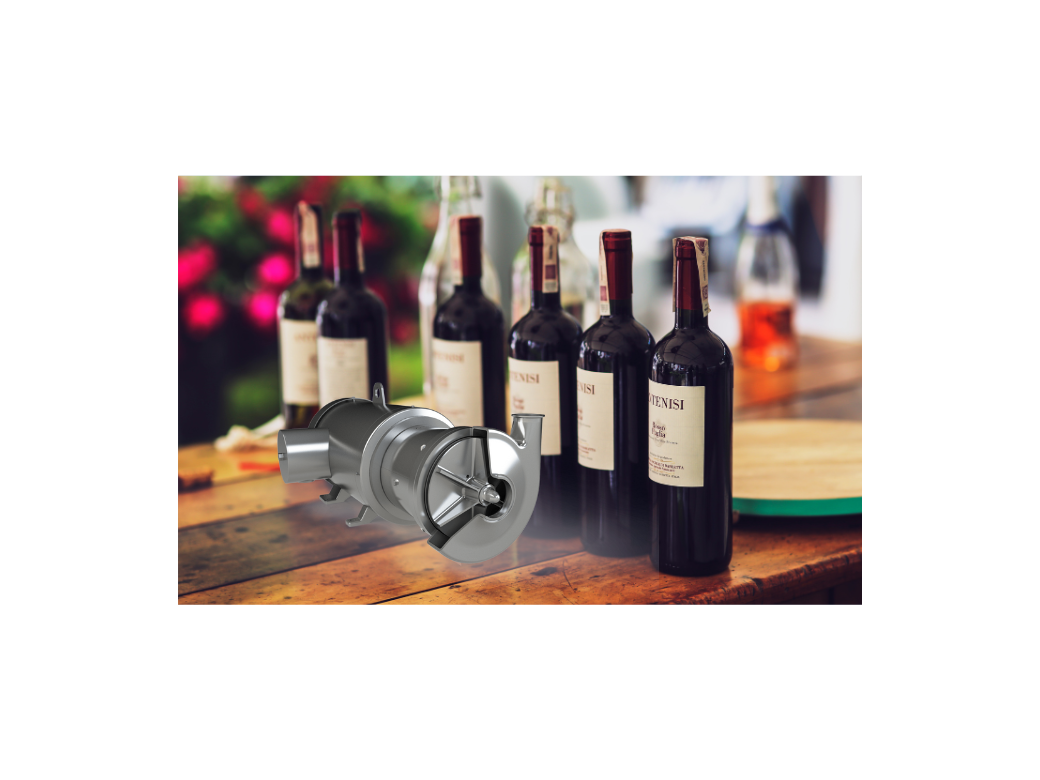
Discover the ideal industrial pump for wine processing without damaging the must. Learn about Q-Pumps' specialized solution.
What industrial pump is used to process wine?
Wine is not only a beverage with centuries of tradition; it also requires highly precise and sanitary processes at every stage of production. From harvest to bottling, quality depends not only on the grape but also on the equipment used. In this context, having specialized industrial pumps can be the difference between an average wine and a premium product.
Q-Pumps has developed specific solutions for wine pumping, designed to preserve the integrity of the must and maintain the product’s sensory quality.
The wine culture today
Global wine consumption has steadily increased in recent years. Countries such as the United States, Italy, France, and Portugal lead consumption statistics, reaching record levels. Portugal alone exceeds 50 liters per capita annually.
This growing demand also represents a challenge for producers: maintaining artisanal quality while scaling production efficiently.
Wine in Querétaro
Querétaro, Mexico, has become one of the country’s leading wine regions. Its unique climate and soil conditions are ideal for grape cultivation, including red varieties like merlot, syrah, and cabernet, and whites like chardonnay and macabeo.
This region is now Mexico’s number one producer and exporter of sparkling wine, gaining global recognition for its quality and flavor.
Wine production process
While every region has its own traditions, the general wine production process involves these key stages:
Harvest
Grapes are picked when they reach optimal ripeness to ensure quality right from the start.
Destemming
Branches and leaves are removed from the clusters, leaving only clean grapes.
Crushing
Grapes are crushed to release the juice or "must." This step is crucial and must be gentle enough to avoid damaging the grape structure—making pump selection essential.
Maceration
The must is left to rest for 1–2 weeks. During this period, skins release color, aroma, and flavor into the liquid.
Racking
The fermented liquid is transferred to another container to continue the alcohol fermentation for several weeks.
Pressing
The remaining solid mass is pressed to extract additional wine. This step requires robust and efficient mechanical equipment.
Malolactic fermentation
A second fermentation process that naturally converts malic acid into lactic acid, reducing wine acidity.
Aging
The wine rests in oak barrels, absorbing flavor and aroma depending on the type of wood and time of aging.
Bottling
The final step, where wine is filled into bottles for distribution and sale.
Industrial pumps for wine
During the crushing and must transfer stages, it's essential to use pumps that won’t damage the product’s structure. Conventional pumps can crush solids, generate foam, or introduce air, compromising quality.
To address these issues, Q-Pumps has developed a pump specifically designed for handling grape must. Its free-flow system prevents clogging from stems and fibers while maintaining the product’s integrity.
Key features of Q-Pumps' wine processing pump
- Suitable for delicate products like must
- Free-flow system avoids fiber entanglement
- Smooth transfer without foaming or aeration
- Efficient for both artisanal and industrial applications
- Sanitary materials compatible with CIP cleaning
Benefits for your winery or processing plant
Using pumps specifically designed for wine offers multiple advantages:
- Reduced product loss
- Preservation of flavor, color, and aroma
- Improved process efficiency
- Longer equipment lifespan
- Compliance with international sanitary regulations
Why choose Q-Pumps for your wine process?
With over 25 years of experience, Q-Pumps is a global leader in sanitary pumping solutions. Our industrial pump line includes models tailored for wine processing, offering:
- Consistent performance across all process stages
- Technical support and global distribution
- Certifications including 3-A and EHEDG
- Sanitary, corrosion-resistant components
Q-Pumps pumps can be customized to meet the specific needs of your process.
QWP SERIES
Where to buy industrial pumps for wine?
Q-Pumps industrial pumps are available through authorized distributors worldwide. You can also request a personalized consultation to identify the best solution for your production.
Contact us today to transform your wine process:
Wine production demands precision, delicacy, and respect for raw materials. Choosing the right industrial pump is not just a technical decision—it’s a strategic investment in your product’s quality.
Q-Pumps' specialized wine pump handles must gently and efficiently, preserving all essential qualities from harvest to bottling. Whether you operate a small winery or an automated production line, Q-Pumps has a tailored solution for you.
Ready to take your wine production to the next level?
Discover our specialized wine processing pump and optimize each stage of your operation without compromising quality.