Learn what is considered a food grade pump and how it ensures hygienic, safe food processing across industries.
Food safety is a top priority in the food and beverage industry, and every element of the production line must comply with strict hygienic standards. Among the most crucial components in this process are food grade pumps. These pumps are specifically designed to handle edible products while maintaining cleanliness and avoiding contamination. But what is considered a food grade pump? Let's explore its characteristics, applications, and benefits.
What is Considered a Food Grade Pump?
A food grade pump is a type of pump that is built with materials, construction, and features that comply with food safety regulations. These pumps are used to transport food products, ingredients, or additives without compromising quality or hygiene.
Key Characteristics of Food Grade Pumps
- Material Compliance: Food grade pumps are typically made from stainless steel (often 316L), which resists corrosion and is easy to clean. Seals and gaskets must be made from FDA-approved elastomers such as EPDM or PTFE
- Hygienic Design: Smooth internal surfaces prevent product buildup and bacterial growth. Many pumps are designed for CIP (Clean-In-Place) or SIP (Sterilize-In-Place) processes.
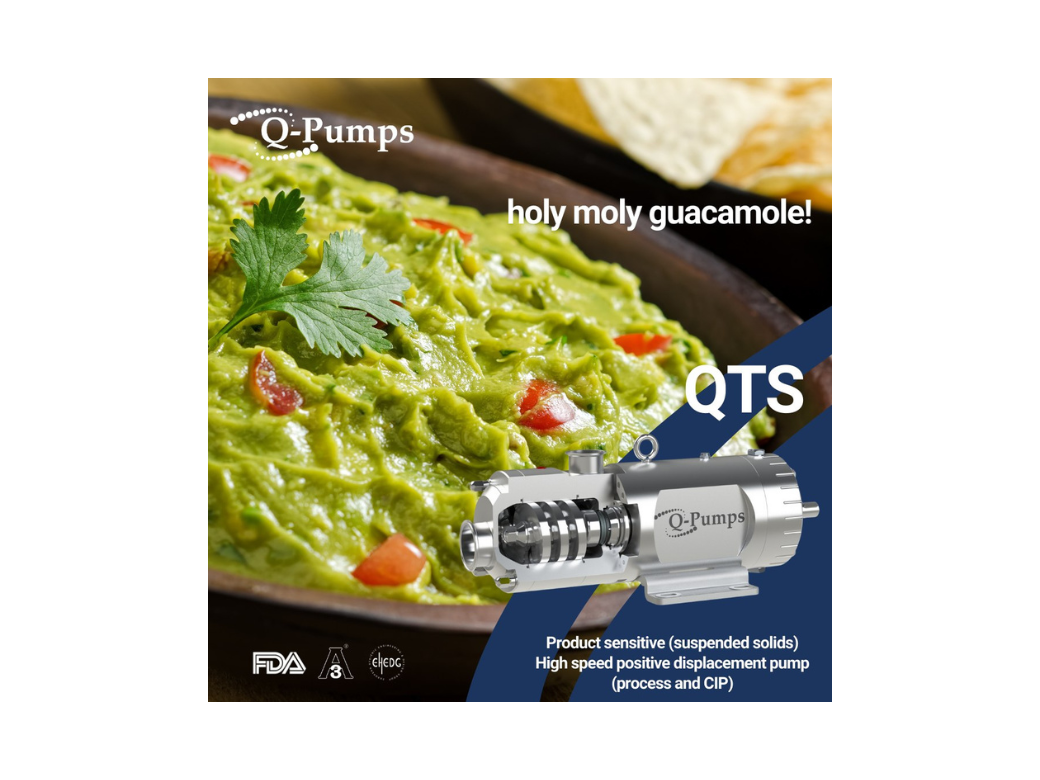
- Certifications: Common certifications include 3-A Sanitary Standards, EHEDG, and FDA compliance. These ensure the pump meets industry hygiene expectations.
Common Applications of Food Grade Pumps
Food grade pumps are used in a wide range of applications across the food and beverage sector. Some examples include:
- Dairy processing (milk, cream, yogurt)
- Beverage production (juices, soda, alcohol)
- Sauces, dressings, and condiments
- Confectionery and chocolate
- Processed foods and prepared meals
- Nutraceuticals and food supplements
Types of Food Grade Pumps
Different food products require different handling methods. Depending on viscosity, temperature, and particle content, various types of pumps may be used:
- Centrifugal Pumps – Ideal for low-viscosity fluids like milk or juice.
- Lobe Pumps – Great for high-viscosity products like pastes or jams.
- Peristaltic Pumps – Suitable for shear-sensitive liquids.
- Diaphragm Pumps – Often used in hygienic transfer of thin to moderately viscous fluids.
Advantages of Using Food Grade Pumps
Using pumps specifically designed for food processing brings several benefits:
- Minimizes contamination risk
- Ensures compliance with safety regulations
- Protects product quality and consistency
- Supports high-efficiency and reliable operations
Choosing the Right Food Grade Pump
Selecting the right pump involves evaluating your product’s characteristics (viscosity, temperature, solids content), required flow rate, and cleaning process (CIP/SIP). Working with a reliable pump manufacturer can simplify this process.
Sanitary Industrial Pumps: How to Choose the Right One?
How Q-Pumps Helps Meet Industry Standards
Q-Pumps is a leading manufacturer of sanitary and industrial pumps, offering a wide range of solutions for food and beverage applications. Their food grade pump line includes centrifugal, lobe, and double screw models, all designed to exceed hygienic standards and operational expectations.
Get Expert Help for Your Food Processing Needs
If you're unsure what pump is right for your application, Q-Pumps can help. Contact our team of experts today to learn more about our food grade pump solutions or request a quote tailored to your production needs.
Understanding what is considered a food grade pump is essential for food safety and production efficiency. From dairy to confectionery, these specialized pumps play a critical role in delivering safe, high-quality products. Choose certified, hygienic equipment from trusted manufacturers like Q-Pumps to stay compliant and competitive.